
-
Answering Your Questions About Teeth Whitening
Everyone wants a bright and beautiful smile, so it’s no surprise that professional whitening is one of the most commonly performed procedures in cosmetic dentistry. If you’re thinking about seeing a dentist for tooth whitening in Bel Air, MD , then continue reading to learn the answers to common questions about this treatment.
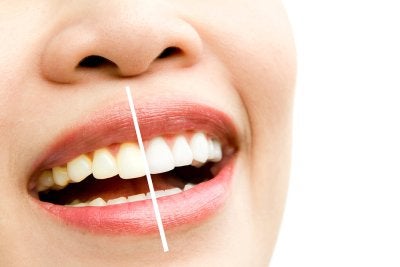
Why is professional whitening better than other options?
The greatest benefit that you’ll gain by seeing a dentist for tooth whitening is speed. Unlike over-the-counter kits, professional whitening uses a stronger formula that can provide you with a noticeably whiter smile in a single treatment. At-home kits that you can pick up at the drugstore often take a week or longer to provide noticeable results.
What happens during teeth whitening?
When you visit your dental office for professional tooth whitening, your dentist will have you wear a tray during the treatment that will cover your teeth with a specially formulated whitening gel. Also, your dentist may use a type of light to enhance the whitening effects of the gel. These appointments typically take about an hour.
How long will my results last?
The answer to this question depends on a number of factors. How well your teeth take to the treatment and how much enamel they have can affect how long your results last. Also, your oral hygiene practices, dietary choices, and lifestyle habits can influence how long your tooth whitening results remain noticeable.
How can I make my results last longer?
Luckily, there are a number of steps that you can take to help retain your tooth whitening results. First, avoid eating or drinking any items that can stain your teeth, such as coffee, tea, soda, berries, and anything tomato-based. If you do choose to eat and drink these items, be sure to rinse your mouth or brush your teeth afterward. Finally, keeping up with twice-daily tooth brushing and biannual dental cleanings can help prevent stains from building up on your teeth.
-
Understanding the Root Canal Procedure
When you visit your dental office in Bel Air, MD to receive treatment for a cavity, there are times when your dentist may recommend a root canal . Continue reading to learn more about this commonly performed dental procedure.
Allowing Cavities to Progress
Cavities occur when bacteria cause damage to the surface of a tooth and begin to penetrate the enamel. When left untreated, a dental cavity can become severe enough that bacteria can make their way into the tooth. Once a tooth becomes infected, the tissues inside can become inflamed. The swelling can cause the individual a great deal of discomfort which is frequently what leads them to see a dentist for treatment. In addition to cavities, cracked and broken teeth can also be vulnerable to infection.
Examining the Tooth
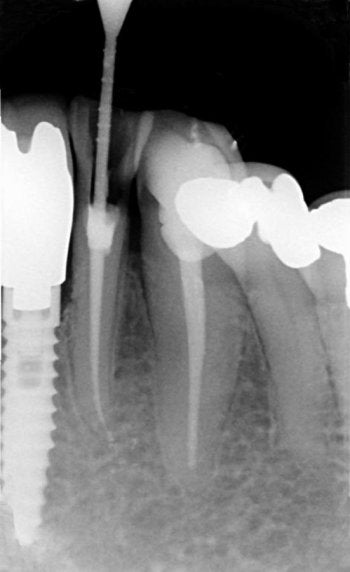
Once a tooth is infected, parts of it can become damaged and, in some cases, the swelling prevents proper blood flow to the tooth which can kill the tissues inside. When you visit your dental office for a toothache, your dentist will examine your mouth, and he may also take X-rays of the painful tooth to get a better look at the extent of the damage. Depending on how big the cavity is or what damage the infection has caused, your dentist may tell you that you need a root canal.
Performing the Root Canal
Root canals are safe procedures that are frequently performed in dentistry, and they can provide patients with relief from the pain that they are experiencing while avoiding the need to extract the tooth. First, your dentist will numb the area. Next, he will drill a hole into the tooth to remove the infected tissues inside. Then, he will treat the infection, clean out the tooth, and fill the canal with a special type of tooth filling material. Finally, your dentist will use a filling or a crown to seal the tooth and restore its dental function. The site may feel tender for a few days, but patients usually feel much better following their root canal procedure and can enjoy restored function of their tooth.
-
Preparing for Your Child’s First Dentist Appointment
Children should have their first visit to a dental office once a tooth comes in or before their first birthday to allow dentists to check the growth and development of their teeth. This initial visit is important because, as soon as her first tooth appears, it can develop a dental cavity. When you are scheduling the appointment with a pediatric dentist in Bel Air, MD, try to select a time when your child tends to be more cooperative. For many children, morning appointments work best.
On the day of her appointment, provide her with a light meal, but avoid giving her snacks in the waiting room, as this can make the examination more difficult since she is likely to have food on her teeth. Finally, if you have dental insurance, contact your provider to ensure that your child is included in the plan before her pediatric dentist appointment.
-
Identifying the Essentials of Good Oral Hygiene
If you’re like most people, then you dislike hearing that you have a dental cavity when you visit your dental office in Bel Air, MD for a check-up. Luckily, preventing the need for tooth fillings and other restorative procedures can be as simple as practicing good oral hygiene.
At home, dental care begins with keeping your teeth clean. To do this, use a toothbrush that has soft or medium-strength bristles, and switch to a new toothbrush once every 3 months. Brush your teeth twice per day for a full 2 minutes using a fluoride-containing toothpaste. Also, floss your teeth at least once per day, ideally before bed, to help dislodge any food that may be stuck between your teeth.
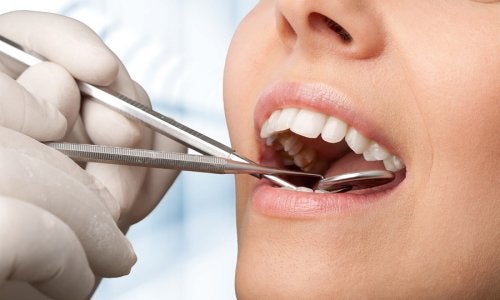
In addition to keeping up with brushing and flossing, scheduling regular dentist visits is also an important part of dental care. See your dentist twice per year for check-ups and cleanings to help keep your teeth free of stains and tartar and to catch small problems before they have a chance to grow into bigger ones.
-
What Are the Benefits of Orthodontic Evaluations for Kids?
A lifetime of proper dental health starts when your teeth first grow in, and there are steps that you should take along the way. When you have children, you become responsible for your kids’ oral health and must make regular visits to the pediatric dentist in Bel Air, MD. If your kids’ dentist determines that your child suffers from malocclusions or other developmental issues, he or she might recommend orthodontic treatment. The quick and efficient discovery through evaluation can lead to timely treatment . Take a look ahead to learn about the dental care benefits that come along with early orthodontic evaluations.
Top dental health in childhood paves the way for excellent oral health throughout the rest of your life. By taking your child to see the pediatric dentist for an orthodontic evaluation, you set your kids up for success. The early use of orthodontic treatments like braces and Invisalign can correct a serious problem early on, preventing it from becoming worse over time and causing additional complications. Your son or daughter can then move on from orthodontic treatment and enjoy a lifetime of proper dental health as well as the confidence boost that comes from a beautiful, healthy smile.

-
Comparing Porcelain Veneers and Lumineers
There are so many dental treatments available in modern society that it can be easy to mix some of them up. This is especially true for treatments like porcelain veneers and dental Lumineers in Bel Air, MD, which have a number of elements in common. However, they are not identical treatments and are each more appropriate in certain situations. If you want to decide which of these cosmetic dentistry treatments is right for you, be sure to do some research and talk to your dentist. If you are interested in comparing porcelain veneers and Lumineers, read ahead.
Similarities
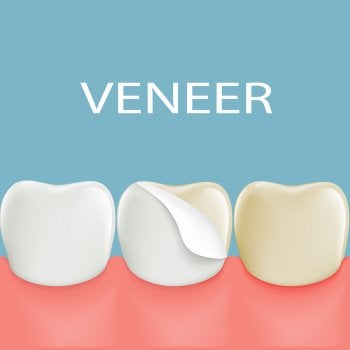
From implants and implant-supported bridges to dental bridges and composite fillings, many different types of cosmetic dentistry procedures share a wealth of similarities. However, porcelain veneers and dental Lumineers tend to be particularly easy to confuse. Both of these types of treatments are made with porcelain materials, and they both seek to cover parts of your teeth for a better aesthetic appearance. Veneers and Lumineers can both be used to cover cracks, gaps, and chips as well as stains and discoloration; some patients even use these treatments specifically for cosmetic purposes.
Differences
Although porcelain veneers and dental Lumineers are made from similar materials and designed to treat similar conditions, they are not exactly the same. While porcelain veneers are thin shells for the teeth, dental Lumineers are even thinner. As such, Lumineers are typically used to deal with more minor imperfections than substantial changes. They also require the removal of a smaller portion of the tooth than porcelain veneers. Depending on the thickness of the tooth and the nature of the problem you’d like to correct, one treatment may be more appropriate than the other.
Which Is Right for You
It’s always a good idea to do some research when you are thinking about undergoing a certain type of procedure, but it’s important to talk with your dentist. Make an appointment with your dental office so your dental health professional can perform an evaluation. Porcelain veneers tend to be more applicable to those with more obvious problems, while Lumineers lend themselves to those with thinner teeth.
-
What Are the Signs of a Tooth Abscess?
A tooth abscess can be a very painful condition. In this video, a dental care practitioner will explain some of the common signs and symptoms of an abscessed tooth. When you have an abscess, you may find that your tooth is very sensitive to hot or cold foods. You may also feel a dull, aching pain that throbs in your mouth. A dentist at a general dentistry office in Bel Air will be able to check your tooth for the signs of an abscess.
In the event that you experience an abscess in your tooth, you will want to visit your local dental office right away. With dental care services, you will be able to alleviate your pain and restore your tooth to perfect health. Your dentist will have the tools needed to remove the abscess and improve your overall comfort.
-
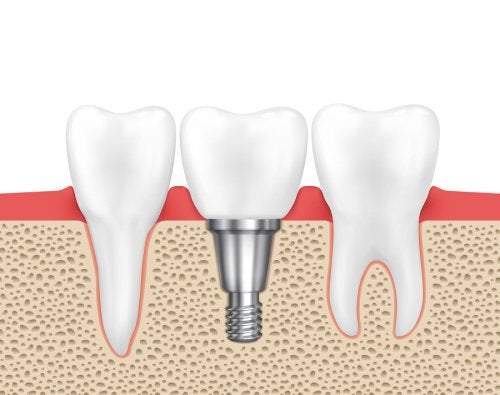
The Aesthetic Benefits of Dental Implants
If you have a chipped, broken, or missing tooth, you will want to make an appointment at a cosmetic dentistry office right away. An office that specializes in cosmetic dentistry in Bel Air will be able to provide you with beautiful dental implants that will completely transform your smile. Like porcelain veneers and dental bridges, dental implants are used to replace or restore teeth that have become lost or damaged. There are several aesthetic benefits that dental implants have to offer you.
With a new dental implant, you will enjoy a natural looking smile. Rather than having to hide your missing or broken tooth, you will be able to smile with total confidence. Dental implants also have the advantage of being matched to your natural tooth shape and color. After your procedure has been completed, it will be nearly impossible to tell the difference between your implant and your natural teeth.
-
Helping Your Kids Avoid Cavities
As a parent, it is important to teach your children proper oral health habits and hygiene. While cavities may be an unavoidable problem for some families, there are steps that you can take to help prevent a dental cavity in your child’s smile. A kid’s dentist in Bel Air will be able to gently clean your child’s teeth and check for the early signs of decay. Your pediatric dentist can also instruct your son or daughter on proper brushing and flossing techniques. To help you avoid the stress of a dental cavity, here is a look at some tips for helping your kids avoid tooth decay.

Brush and Floss Regularly
One of the most effective measures for preventing tooth decay is to encourage your children to brush and floss their teeth regularly. For optimum oral health, your child will need to brush and floss at least twice a day. Young children should be supervised throughout the brushing process. To help prevent cavities, you can also make sure that your kids use toothpaste that contains fluoride.
Eat Nutritious Food
Your child’s diet has a strong correlation with his or her oral health. Very sugary foods, such as candy or soft drinks, will cause harmful bacteria and plaque to build up in your child’s mouth. Over time, a sugar filled diet can cause cavities and other oral health issues. To ensure the proper oral health of your child, you will want to encourage him or her to eat a healthy diet that is filled with fruits, vegetables, and whole grains.
Schedule Dental Visits
Regular trips to the dentist will keep your child’s teeth in great condition. Children of all ages should visit the dentist at least once every six months. The twice yearly dental exam will allow your kids dentist to perform a thorough cleaning and check for any early signs of decay. During your regularly scheduled dentist appointments, your dentist can also make sure that your child is brushing and flossing correctly.
-
How Diabetes Can Affect Your Oral Health
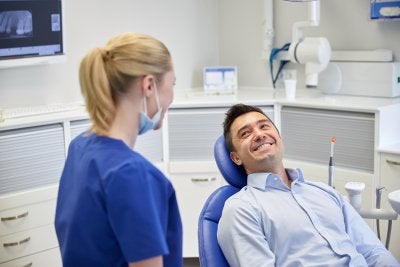
Diabetes is a medical condition that can affect all of the major systems of the body. If you have diabetes, you may be surprised to learn that your oral health can also be affected by this disease. Fortunately, with services and care from a general dentistry office in Bel Air , you will be able to make sure that your teeth and gums remain healthy and strong. Your dental office can assist you with tooth filling, general cleanings, and a variety of other important dental care services. To help you care for your teeth, here is a look at how diabetes can affect your oral health.
Gum Disease
People with diabetes are more likely to develop gum disease than non-diabetics. Gum disease occurs in stages, and can be reversed if it is detected early. The beginning stage of gum disease is known as gingivitis. As gum disease progresses, puffy, red gums may start to bleed and recede. Advanced gum disease may result in tooth loss, abscesses, and other very serious issues.
Tooth Loss
Diabetic patients may also find that they are at increased risk of experiencing tooth loss. There are many reasons why a person may lose a tooth in adulthood. A tooth may need to be extracted if it is severely decayed or infected. Problems with the gum surrounding the tooth may also result in tooth loss. Fortunately, cosmetic dentistry procedures can be used to fill in the space left by a missing tooth and restore a patient’s smile.
Dry Mouth
Dry mouth is another oral health problem that is associated with diabetes. When a patient has a frequently dry mouth, he or she may develop ulcers, sores, and frequent cavities. Dry mouth is also a very uncomfortable condition. With services from a dentist in your area, you can prevent and treat any of the oral health issues that are associated with diabetes. Your dentist can keep your smile healthy and brilliant throughout your lifetime.
RECENT POSTS
categories
- Uncategorized
- General Dentistry
- Toothache
- Emergency Dentistry
- Family Dentistry
- Receding Gums
- Cosmetic Dentistry
- Veneers
- Gum Disease
- Gingivitis
- Dental Crowns
- Orthodontics
- Dental Implants
- Root Canal
- Wisdom Teeth
- Teeth Whitening
- Your Smile
- Composite Fillings
- Lumineers
- Dentures
- Invisalign
- BrightSmile
- Dental Bridge
- Abscessed Tooth
- Sealants