
-
Whitening Your Teeth with BriteSmile
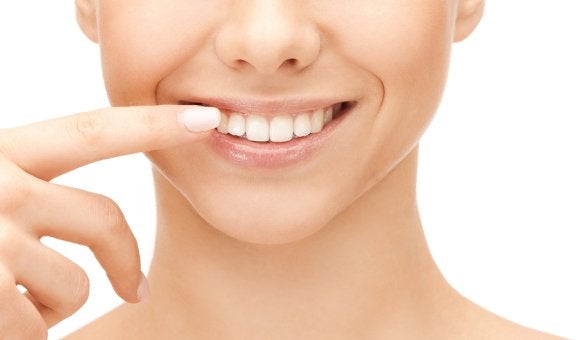
Think about your favorite foods and drinks. Would they stain a white T-shirt? If the answer is yes, then these foods and drinks are also staining your teeth. Coffee, tea, soda, wine, and even dark berries can stain your teeth and take away from the beauty of your smile. But you do not have to avoid these food and drinks—you can get rid of stains with BriteSmile!
Your Bel Air cosmetic dentist can help you learn more about BriteSmile. This teeth whitening solution works by applying a whitening gel to the teeth and then activating the gel with a blue light for approximately 20 minutes. Cosmetic dentistry patients typically receive three 20-minute sessions during each visit. Not only will patients be able to enjoy a whiter smile, they will also have time to relax and watch TV or listen to music during the treatment.
BriteSmile can help you get rid of years of stains to reveal brighter and whiter teeth! Discover more about this Bel Air teeth whitening procedure from your cosmetic dentist.

-
What to Expect from Wisdom Teeth Removal
Do you still have your wisdom teeth ? Some people have enough room in their mouths to safely contain these teeth, but most patients need to visit a dentist in Bel Air for wisdom teeth removal. If you need to get your wisdom teeth remove, this blog can help you determine what to expect from the process:
Getting Anesthesia
Your dentist will give you some sort of anesthesia before starting removal so that you can stay comfortable and relaxed during the procedure. Local anesthesia is administered by injection and numbs the area in which it is used. Patients who receive local anesthesia remain awake during the process. Sedation anesthesia is administered through IV and sedates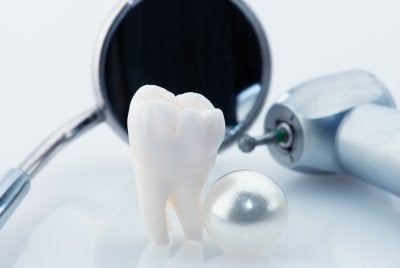 patients for the procedure, though they technically remain awake. General anesthesia can be administered through a face mask or IV and puts patients to sleep, helping them wake back up once the procedure is finished.
 Performing the Procedure
After choosing anesthesia and either numbing your mouth or putting you to sleep, your dentist will be ready to begin the procedure. Many patients get all four wisdom teeth removed during once procedure while others prefer to do multiple procedures because their wisdom teeth have come in at different rates or not all teeth require extraction. Your dentist will make an incision and remove any bone that may be in the way before removing the desired tooth. After cleaning the area, your dentist will stitch it back up and place gauze over it to control bleeding and start the healing process.Recovering After the Procedure
Once you are fully awake, your dentist will send you home with instructions for taking care of the incisions and prescriptions for medication that can help with pain and healing. It is important to rest immediately following the procedure and avoid any strenuous activities for at least a week. You will also be advised to avoid using straws for a week and avoid hard and sticky foods until your incisions have healed. Your dentist can provide more advice for ensuring that your mouth heals properly! -
How to Floss Properly
Prevent gum disease in Bel Air by learning how to care for your teeth and gums! Brushing your teeth is essential for removing food and drink residue that can lead to plaque and tartar—but it cannot reach every surface in your mouth! That is why it is also important to floss once a day. Flossing removes the food debris that get stuck between your teeth, resulting in a cleaner mouth and healthier teeth and gums.
Start by finding the right floss for your teeth. You should use approximately 18 inches to make sure you can clean between all of your teeth. Wrap each end of the floss around your middle fingers and carefully place the floss between two teeth. Create a U-shape around each tooth and move the floss up and down for proper cleaning. If you have a hard time using regular floss, ask your family dentist to recommend floss sticks or other products.
-
The Advantages of Invisalign
Are you ready to straighten your teeth and become confident with your smile? An orthodontist in Bel Air can help you say goodbye to your crooked smile and hello to beautiful teeth! Metal braces may be the traditional teeth-straightening option, but newer options can provide a much more comfortable experience. Invisalign offers a number of advantages over metal braces, such as:
Shorter Treatment Time
Getting a straight smile takes time, but some treatments take longer than others. Traditional metal braces take an average of two years to straighten teeth. Many patients complete their Invisalign treatments in six to twelve months! That is why Invisalign is such a popular option for teenagers and adults interested in straightening their teeth. You can start enjoying a straight smile faster if you choose Invisalign instead of metal braces.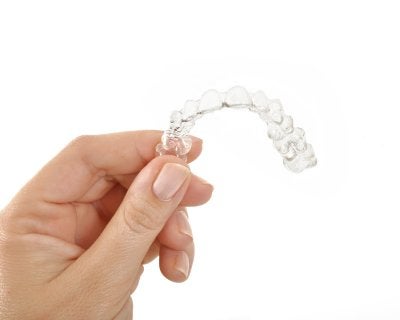
Ability to Remove Aligners
When you have metal braces, you are stuck wearing them all day and all night until your treatment is complete. Your orthodontist will advise you against eating certain foods that can get stuck or damage your braces, such as sticky candies and popcorn. You will also have a hard time brushing and flossing your teeth, putting you at risk for developing plaque. Invisalign uses clear aligners that are easily removed for eating and cleaning. This means you can eat what you want and keep up with proper dental hygiene!Increased Comfort
Metal braces are highly effective at straightening teeth. Unfortunately, the brackets and wires used in these braces can be extremely uncomfortable. Poking and prodding may be normal for these braces, but you can avoid these concerns by choosing Invisalign. Your orthodontist can show you the clear plastic aligners used during treatment so you can understand how comfortable they are, especially compared to metal braces.Discreet Treatment
A crooked smile can take a toll on your confidence. Metal braces can do the same. Sporting a mouthful of metal can be especially embarrassing for adults you want to straighten their smiles. With Invisalign, you will be able to straighten your teeth discreetly and without the metal. Aligners are nearly invisible, allowing you to start feeling more confident with each new pair! -
Meet Dr. Danielle Zhu
Home dental care is not enough to keep teeth and gums healthy—you also need to find a great dentist in Bel Air ! A great dentist will help you feel comfortable and make sure you understand concerns and treatment options that can improve your smile.
When you visit Your Smile, you can feel comfortable meeting with Dr. Danielle Zhu. Dr. Zhu specializes in a variety of dental fields, providing treatments for patients of all ages and with an assortment of concerns and dental emergencies. Before becoming a well-known dentist in Bel Air, Dr. Zhu earned her undergraduate degree from UMBC and went on to receive a dental degree from the University of Maryland Dental School. Dr. Zhu also has a prosthodontic clerkship and post doctorate training in advanced general dentistry on her résumé! Along with these accomplishments, patients can also feel comfortable knowing that Dr. Zhu is a member of the American Dental Association, the Academy of General Dentistry, and the Maryland State Dental Association.

-
A Look at Common Dental Emergencies
Do you know what to do in case of a dental emergency? Visiting an emergency dentist in Bel Air is the best way to find help. These dental specialists help patients of all ages with a variety of dental emergencies. This guide can fill you in on some of the most common dental emergencies and what to do if you experience one:
Toothaches
Have you ever gotten food stuck between your teeth? This experience can be annoying but is often remedied with floss or a toothbrush. When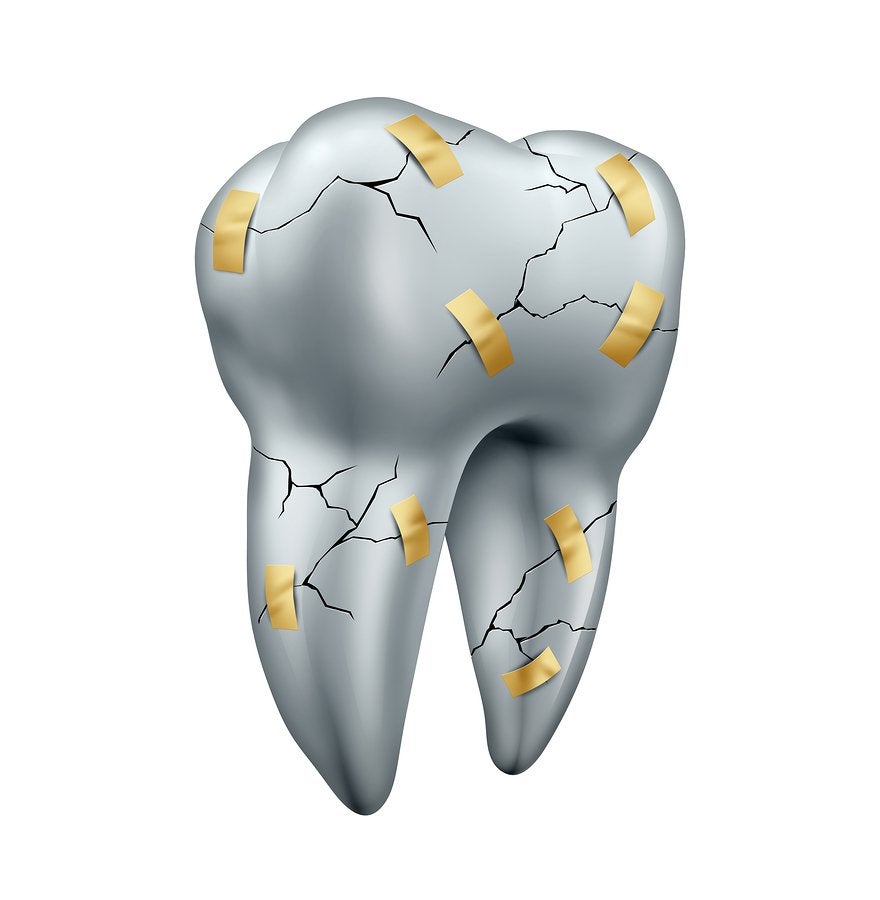
food is hard to reach, it can result in severe pain around the tooth and gum tissue. If you experience a severe toothache, try to remove food residue by rinsing your mouth out with warm water. Next, use dental floss to carefully floss around the affected tooth, as this might remove food debris that can be causing the sensation. If the pain does not subside, you should visit an emergency dentist as soon as possible.
Tooth or Jaw Injuries
Traumatic injuries can severely damage teeth or the jaw bone. These injuries can occur when people fall and tend to be most common among athletes who experience contact with other athletes or hard surfaces. It is important to seek emergency dental care for these traumatic injuries, as they are prone to infection and are often quite painful. Time is especially important when a one or more teeth get knocked out. The teeth may be saved if treated as quickly as possible.Broken or Chipped Teeth
Getting hit in the head can result in a broken or chipped tooth. This not only affects the appearance of your smile, it can also result in pain and difficulty eating. Treat the area by rinsing your mouth out with warm water. Rinse off any pieces of your tooth that you can find and store them in a safe place. Gauze can be used to stop bleeding and a cold compress can be applied to relieve pain and swelling until you get to the emergency dentist. -
The Anatomy of a Tooth
Knowing the anatomy of a tooth helps you work with your dentist in Bel Air to maintain the healthiest, most attractive smile. The two main parts of the tooth are the crown and the root.
The crown is the white part of the tooth that you can see and the root lies beneath the gum. Each tooth has enamel, dentin, pulp, and cementum. These 4 tissues support the tooth and keep it nourished.
The enamel is hard enough to protect the tooth. The dentin is a softer layer that supports the enamel and absorbs some of the pressure of chewing. The pulp nourishes the tooth and keeps its nerves and blood vessels safe. The cementum attaches the tooth to the jaw. Check out this video to learn more about the parts of the tooth and what they do.
-
Reviews: “Nice and Friendly Treatment”
At Your Smile, we pride ourselves on providing your family with the dental care you need to keep your smile healthy. Take a look at our latest reviews on ZocDoc to see what some of our patients have to say about us. We would also like to hear from you. Please take a moment to leave a review of your own on our Google+ page.
“I would and have recommended her to anyone looking for a dentist.” – Walter M.
-
The Stages of Gum Disease
Gum disease is a serious oral health issue that causes pockets in the gums, destruction of the bone, and might even lead to the loss of one or more teeth. The best way to prevent gum disease in Bel Air is to understand its different stages and what to do to prevent them. Keep reading to learn more about the progression of periodontal disease:
Gingivitis
Gingivitis is the initial stage of gum disease. When there is a lot of plaque and bacteria in the mouth, it might lead to inflammation and infection in the gums. Gingivitis usually causes the gums to bleed, swell, or to become tender. If you notice that your gums look different or start to bleed when you brush your teeth, you should schedule an appointment with your dentist. With a deeper cleaning and a periodontal treatment, gingivitis is completely reversible. You should also make an effort to improve your home hygiene routine and limit your sugar intake.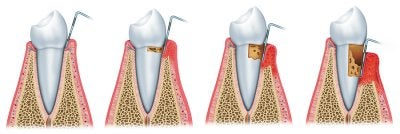
Periodontitis
If you do not get treatment for your gingivitis, it might turn into periodontitis, which is a more serious stage of gum disease. As the infection and inflammation in the gums progresses, it will start to destroy the bone and fibers in the jaw. This could cause large pockets between the teeth and the gums where even more plaque and bacteria can develop and make the problem even worse. Visiting the dentist for periodontal treatment can help you prevent the disease from getting any worse . It is also important to brush the teeth twice a day and floss once a day to keep the gums as healthy as possible.Advanced Periodontitis
This stage of gum disease is the most serious. Without the fibers and bones to support the teeth, advanced periodontitis might cause the teeth to loosen or shift in the mouth. Once the teeth move out of their original position, it might become difficult to bite and to chew. Without help from your dentist, advanced periodontitis could cause you to lose one or more of your teeth. -
Why Straight Teeth Are Better for Your Health
Straight teeth do much more than improve the look of your smile. Straightening your teeth can help you enjoy optimal oral health. Keep reading to find out why you should work with your dentist in Bel Air to straighten your teeth:
When your teeth are straight, it is much easier to keep them clean. A good oral hygiene routine can reduce your risk for issues like cavities and periodontal disease. The gums also fit better over straight teeth, which further reduces your risk for problems like these.
Straightening your teeth can also help you improve your overall health. Tooth decay and gum disease are both issues that are caused by bacteria. When these bacteria and infections enter your bloodstream, they can increase your risk for health issues like heart disease, stroke, and pneumonia. Oral issues like periodontal disease also make it more difficult for diabetics to control blood sugar levels. You should work closely with your dentist to get straighter, healthier teeth.
RECENT POSTS
categories
- Uncategorized
- General Dentistry
- Toothache
- Emergency Dentistry
- Family Dentistry
- Receding Gums
- Cosmetic Dentistry
- Veneers
- Gum Disease
- Gingivitis
- Dental Crowns
- Orthodontics
- Dental Implants
- Root Canal
- Wisdom Teeth
- Teeth Whitening
- Your Smile
- Composite Fillings
- Lumineers
- Dentures
- Invisalign
- BrightSmile
- Dental Bridge
- Abscessed Tooth
- Sealants